The Most Instagram Worthy Features of a Gin Bar
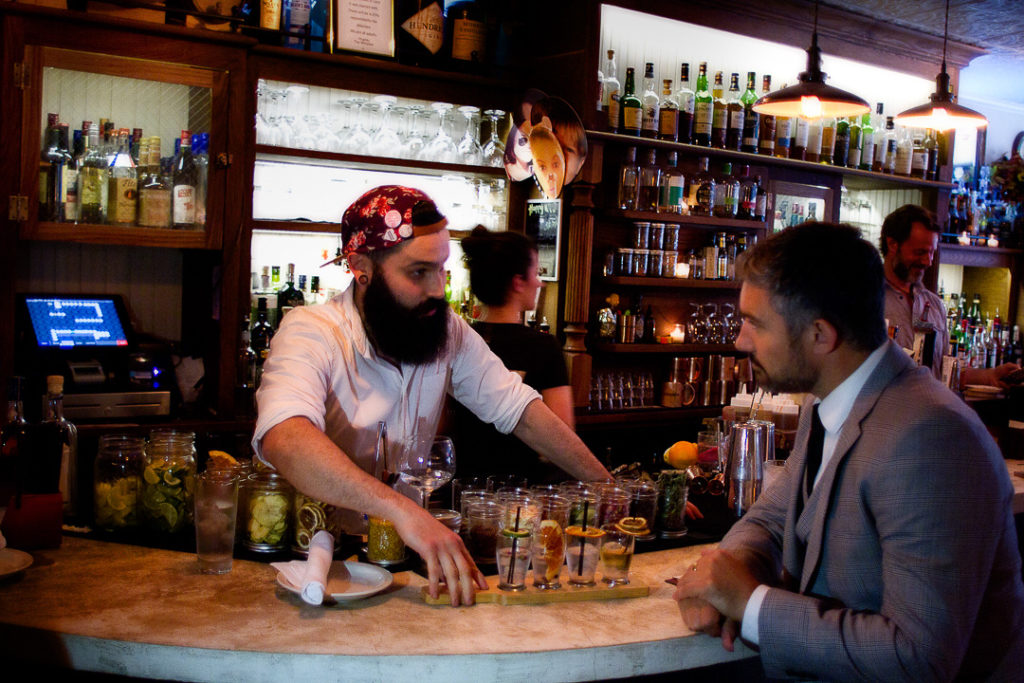
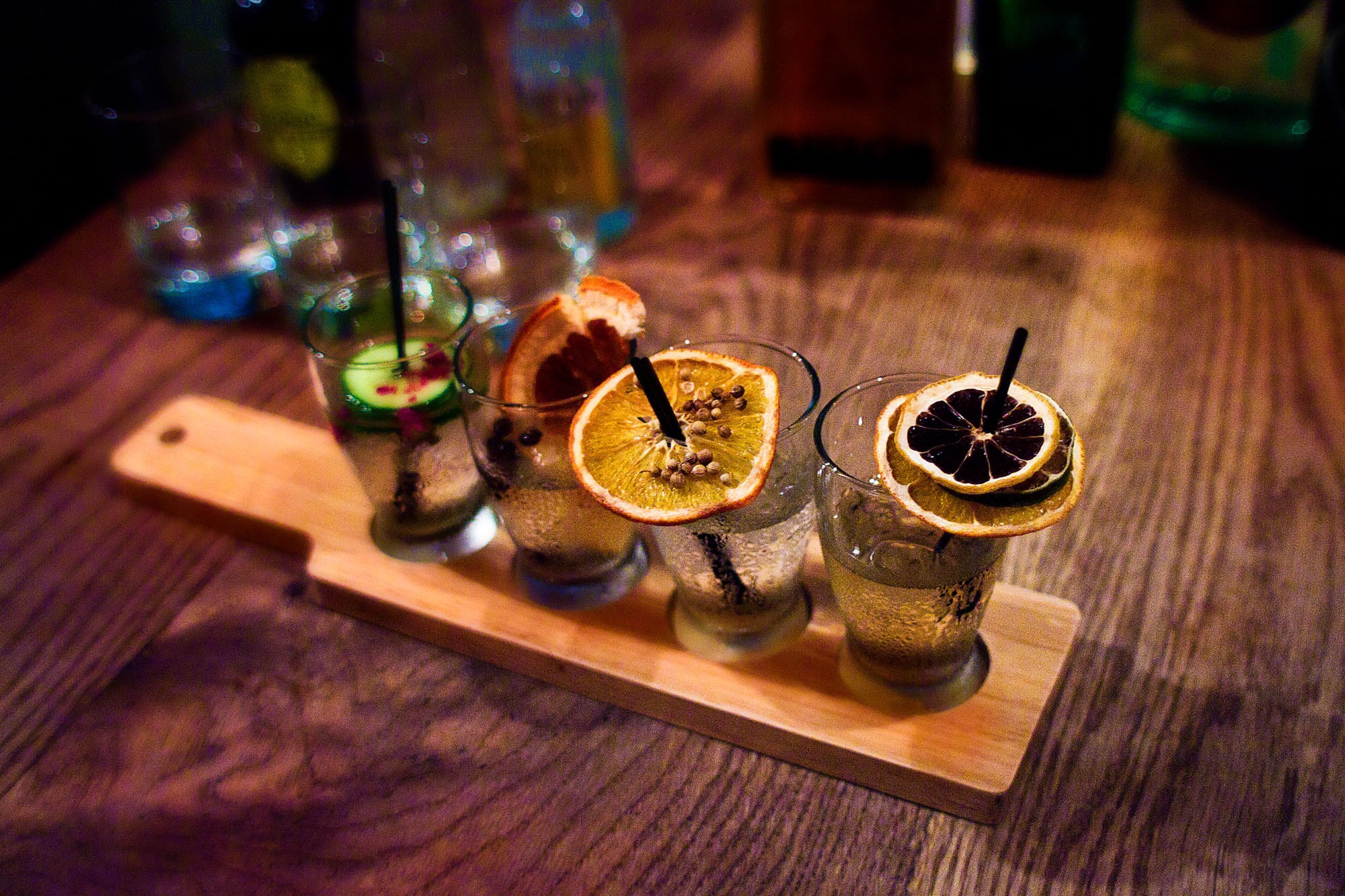
A memorable gin bar does not become photogenic by accident. The spaces people share most often are the ones that understand atmosphere at a very practical level: how light falls across a glass, how color behaves after dark, where the eye lands first, and which details reward a closer look. In hospitality, those choices are never just decorative. They shape dwell time, influence orders, and often become part of the reason guests come back.
That is especially true in a Gin Bar. Gin already lends itself to visual storytelling. There is the clarity of the spirit, the architecture of a good balloon glass, the fresh structure of citrus, herbs, peppercorns, cucumber ribbons, edible flowers, smoked rosemary, and crystal ice. Few drinks look flat when handled well. Yet not every gin venue translates that potential into a setting people actually want to photograph. Some bars over-style and lose warmth. Others have excellent drinks but overlook the frame around them.
The most Instagram worthy features sit at the point where design, service, and sensory experience meet. They look beautiful, yes, but they also make operational sense. They help a room function, not just pose. After years of watching which bars quietly become local landmarks online, and which heavily designed spaces fade fast, the pattern is clear. Guests respond to authenticity they can see.
The back bar that works like a stage set
If a gin bar has one area most likely to appear in customer photos, it is the back bar. The bottle display is both practical storage and visual theatre. Done right, it becomes the room’s anchor.
Gin bottles are unusually varied in silhouette and label design. Some are medicinal and old-world, others geometric, tinted, embossed, illustrated, or almost sculptural. That gives bar owners an advantage. Even a mid-sized collection can create a strong visual wall if it is arranged with intention. Height variation matters. So does spacing. A shelf packed edge to edge may read as inventory rather than curation. A little breathing room allows each bottle to register.
Lighting is what separates a nice shelf from a dramatic one. Soft backlighting or carefully directed shelf lighting makes glass glow without turning labels into glare bombs. This is a common mistake. Overhead spots aimed too aggressively at glossy bottles produce harsh reflections that look poor in photos and make menus harder to read from the bar. The best installations create depth instead of brightness for brightness’s sake.
A strong back bar also tells a story. Guests can tell when a collection was assembled with expertise rather than ordered from a distributor list in one afternoon. Regional sections, craft producers, London dry classics, contemporary botanical styles, navy strength bottles, and a few rare references give people something to zoom in on. They do not need signage everywhere. Often the visual effect works best when the display looks discovered rather than explained.
Glassware is doing more work than most bars realize
People rarely post a drink that looks generic. They post one that feels composed. Glassware is central to that feeling.
The oversized copa glass has become almost synonymous with the modern gin and tonic, and for good reason. Its broad bowl holds garnish gracefully, leaves room for plenty of ice, and photographs well from nearly every angle. But relying on one format alone can make a drinks program feel repetitive online. A gin bar with visual confidence usually mixes stemware, highballs, coupes, Nick and Noras, etched tumblers, and occasional statement vessels where appropriate.
This is not a plea for gimmicks. Novelty glass can quickly date a venue. What tends to photograph best over time is glassware with proportion, weight, and a clean profile. Fine stems suggest occasion. Cut crystal catches low light beautifully. Frosted glass can look striking for certain serves, though it has to be handled carefully because condensation can muddy the finish in photos if the room is warm.
The practical point is just as important. Guests notice when a glass feels good in the hand and when a drink arrives looking balanced rather than crowded. Visual appeal starts before the photo, with the bartender understanding dilution, ice fill, and garnish scale. A giant dehydrated citrus wheel crammed into an underfilled glass may look dramatic for ten seconds, then sloppy. A tighter composition almost always ages better.
Ice, garnish, and the difference between styled and overdone
The modern Gin Bar lives or dies on details. That sounds fussy until you watch two nearly identical drinks leave the pass, one elegant, the other chaotic. The difference is usually ice and garnish.
Clear ice photographs exceptionally well because it suggests precision. It also slows dilution, which means the drink tastes better longer, giving guests more time to enjoy it before it collapses. Large cubes and spears bring structure to stirred gin cocktails. Pebble ice can work for brighter, more casual serves, though it melts faster and needs quick service. In a gin and tonic, plentiful solid ice is still the classic visual signal of quality.
Garnish is where many bars lose restraint. Gin offers endless botanical cues, but not every drink needs to look like a florist’s sink. A single grapefruit twist, a clipped herb sprig, three skewered berries, or a ribbon of cucumber often lands better than a crowded bowl of unrelated ingredients. If the garnish has aromatic purpose, guests feel the thought behind it. If it looks attached purely for spectacle, that impression comes through as well.
The bars that get shared most consistently tend to use garnish with discipline. They understand line, color contrast, and height. They also understand maintenance. Wilted mint, bruised basil, oxidized apple slices, and tired citrus ruin otherwise beautiful serves. Guests may not describe the problem in those terms, but they will feel it immediately.
Lighting, the make-or-break feature nobody can filter away
You can fake many things on social media. Bad bar lighting is hard to fake.
For an Instagram worthy setting, the goal is not brightness. It is flattering contrast. Faces should look warm, drinks should sparkle, and the room should still feel intimate. This is a technical balancing act. Too dark, and phone cameras crush everything into murk. Too bright, and the atmosphere vanishes. Too cool in color temperature, and both skin tones and cocktails start looking clinical.
Warm lighting usually suits a gin bar better, especially where natural materials, brass, dark timber, stone, or green tones are involved. Candles or LED candles add movement to a table shot, but they work best when supported by layered ambient light rather than used as the whole plan. Wall sconces, concealed shelf lighting, pendant pools above tables, and softly lit bottle displays create depth that photographs naturally.
One of the smartest design moves is to think in zones. The booth by the window can carry a brighter evening level than the deep corner banquette. The bar top can be lit to flatter serves, while circulation areas remain lower. This gives guests options. People choosing where to sit are often, consciously or not, choosing their background and their light.
A room with daylight also has a major advantage. Late afternoon natural light across a marble or timber bar can make even a simple gin and tonic look exceptional. Many bars ignore this by keeping blinds half shut or crowding the window line with decor. If you have daylight, use it.
The color palette that flatters botanicals
Gin bars tend to photograph well when their interiors support the drink rather than compete with it. A thoughtful palette does exactly that.
Greens are the obvious starting point, but there is a fine line between botanical sophistication and theme-park foliage. Deep sage, olive, eucalyptus, and forest green pair naturally with clear spirits and fresh garnish. They also sit well against brass, smoked mirror, walnut, blackened steel, and natural stone. This combination gives cocktails enough contrast to thewinslownyc.com Gin Bar stand out in the frame.
Pink can work too, particularly in bars leaning playful or contemporary, but it needs control. Too much saturated pink light can flatten every drink into the same tone and make food look unappealing. Blue lighting is even riskier. It often feels dramatic in person for a few minutes, then cold in photos for the rest of the night.
The most enduring gin bars use color as a base note, not a stunt. Their rooms feel composed before the first drink arrives. That matters because guests are not only posting cocktails. They are posting corners, mirror selfies, table spreads, date-night moments, and group shots. A coherent palette gives all of those images a recognizable identity.
Statement features that earn their place in the frame
Every strong Instagram venue has at least one feature guests instinctively use as a backdrop. In a Gin Bar, that feature works best when it grows from the brand rather than being bolted on.
A pressed-flower ceiling can be beautiful if the room’s tone is soft and romantic. A suspended botanical installation can look dramatic if it is maintained properly and not gathering dust in six months. An arched bottle library, a custom mural, a tiled floor with old apothecary references, or a glowing wall of tonic water can all work when executed with conviction.
The issue is not whether a statement feature photographs well. Many do. The issue is whether it still feels credible after the novelty wears off. The bars that age best choose one or two strong visual ideas and carry them through materials, menu design, glassware, and service style.
Here are five statement features that tend to endure because they photograph well and support the guest experience:
- A curated backlit gin library with visible depth, not just a flat shelf wall.
- A bar top in stone, terrazzo, or polished timber that reflects glass and candlelight softly.
- A botanical installation tied to the drinks program, refreshed seasonally.
- A mirror or tiled feature wall placed where guests naturally gather, not where service gets blocked.
- Window seating with layered lighting that works for both daylight and evening photography.
Notice what is absent from that list: props with no hospitality function. Giant neon slogans had a long run, and some still work, but many now read as formula rather than personality. If a feature exists only to be photographed and not to enrich the room, guests sense the calculation.
Menus, coasters, and the overlooked details in flat lays
Social media does not only reward architecture. It rewards composition. A table scene with menus, coasters, snacks, candles, and two well-made drinks often performs better than a close-up of one cocktail. That makes printed details more important than many operators assume.
A smart menu is legible in low light, compact enough to sit beside a drink, and attractive enough to appear in a photo without looking promotional. Typography matters. Paper stock matters. So does wear. Dog-eared laminated menus can undo an otherwise polished room in a single shot.
The same applies to coasters, napkins, matchbooks, and snack bowls. These are small branding surfaces, but they also create texture in photographs. If your coaster design is thoughtful, guests include it. If your olives arrive in a heavy little dish instead of a generic ramekin, people notice, even if they would never say so directly.
One of the most effective visual habits in good gin bars is consistency of small objects. The candle holders, the water carafes, the side plates, the garnish picks, and the bill trays all seem to belong to the same world. This coherence rarely screams for attention, but it makes every table image stronger.
The bar top itself is part of the content
A great bar top earns hundreds of appearances online without ever being named. It is the surface under the drink, and that means it shapes every image.
Marble is a favorite because it reflects light gently and gives a clean, premium look. The downside is familiarity and maintenance. Staining, etching, and excessive visual coldness can become issues depending on the concept. Dark timber feels warmer and more intimate, though it absorbs more light and can hide the outlines of lighter drinks. Terrazzo offers pattern and character but can become visually busy if the glassware and garnish already carry a lot of detail.
The best bar tops balance personality with restraint. They provide enough visual interest to enrich the frame, but not so much that they fight the drink. In practical terms, they also need to stand up to water rings, citrus acid, and relentless cleaning. A surface that looks spectacular on opening night but tired six months later will not stay Instagram worthy for long.
Seating shapes what gets photographed
Guests photograph where they feel comfortable. That sounds obvious, yet seating strategy often gets treated as a numbers puzzle rather than a visual one.
Banquettes encourage lingering and group shots. Counter stools produce close-ups of drinks and bartender action. Small round tables work well for date-night imagery because they bring objects close together, which makes composition easier. Window seats invite daylight content and street-scene atmosphere. Semi-private nooks often become the most desirable areas in the room because people can stage a moment without feeling watched.
There is a trade-off here. Tight, intimate seating may look chic but can make it difficult to take a clean table photo. Oversized tables solve that but may weaken atmosphere if the room feels sparse. The sweet spot is enough personal space for a drink, water, menu, and small plate to coexist without clutter.
Bartender theatre matters more than people admit
Many of the most-shared posts from a gin bar are not static room shots. They are moments: a tonic being poured, a citrus peel expressed, rosemary briefly flamed, a coupe sliding onto the bar. Service is visual content.
This does not require flair bartending or exaggerated performance. In fact, that can work against the mood in a professional gin-led venue. What people respond to is fluency. Calm hands. Clean stations. Measured movement. A bartender who can build a drink with visible confidence makes the product feel more valuable on camera and in the glass.
Open sightlines help. If guests can watch drinks being made without service becoming chaotic, the bar gains a living focal point. Even small details contribute, such as polished tools, attractive tonic bottles, chilled glassware, and garnish trays that look organized rather than overfilled. Behind every good photo is usually a service team protecting standards that most guests never consciously list.
Seasonal change keeps a space photographable
A bar that looks identical all year can lose momentum online, even if it is objectively beautiful. Regulars stop seeing it. Seasonal variation keeps visual interest alive.
That does not mean a full redesign every quarter. Often the smartest updates are subtle: spring florals on the back bar, citrus-heavy serves in summer, richer candlelight and darker garnish notes in autumn, evergreen textures and deeper glassware tones in winter. Menus can change color accents. A signature serve can shift garnish. Window boxes can evolve with the season.
The key is continuity. Guests should still recognize the Gin Bar instantly, but with enough freshness that a return visit produces a new image rather than a repeat.
A simple way to evaluate whether a bar remains visually alive is to look at the last six months of customer posts. Are the photos varied? Do they show different corners, serves, and moods? Or does every post look like the same angle of the same neon sign? Variety signals a room with real depth.
The most photogenic bars still feel human
The final point is the one many businesses skip in pursuit of shareability. A room can be stunning and still feel sterile. People post places that give them a feeling worth sharing, not just a backdrop.
That feeling often comes from the less visible decisions. Music pitched at a level where conversation still happens. Staff who know when to engage and when to give space. A welcome drink explained with genuine enthusiasm. A seat that is comfortable after an hour, not just elegant for ten minutes. Water that arrives without asking. These are not purely visual features, yet they affect every photograph because they shape the moment being photographed.
The strongest gin bars understand that social media appeal is not separate from hospitality. It is a byproduct of hospitality done with visual intelligence.
For operators, there are a few practical checks worth revisiting regularly:
- Take photos from a guest’s eye level in daylight and at night, then review what looks flat, cluttered, or harsh.
- Audit every visible object on the table, from menus to snack bowls, for consistency and condition.
- Watch where guests naturally aim their cameras, because those sightlines reveal your true visual assets.
- Train staff on garnish discipline and glass presentation, since small inconsistencies show up immediately in close-up shots.
- Refresh one visual element seasonally so repeat visitors have something new to notice and share.
A genuinely Instagram worthy Gin Bar is never only about chasing likes. It is about creating a place where the drink, the room, and the guest experience align so naturally that people reach for their phone without being prompted. When that alignment is right, the photos take care of themselves.
The Winslow
243 E 14th St
New York, NY 10003, United States
Phone: +1 212-777-7717
FAQ About Gin Bar
How to do a gin tasting?
Start with a small pour and gently smell the gin before taking a small sip. Notice its juniper, citrus, floral or spice notes, then compare how the flavor changes with a little water or tonic. At a gin bar, ask the bartender to explain the selection and botanical pairings.
How to make the best tasting gin and tonic?
Use chilled gin, fresh tonic and plenty of ice. A common starting ratio is one part gin to two parts tonic, adjusted to taste. Choose a garnish that complements the gin's botanicals and stir gently to preserve the bubbles.
What is the smoothest tasting gin?
There is no single smoothest gin for everyone. Perceived smoothness depends on the botanical recipe, alcohol strength, serving temperature and mixer. Describe whether you prefer citrus, floral, herbal or juniper-forward flavors so a bartender can suggest a suitable style.
Corrections
Spot something wrong? Send it to the desk and it gets fixed in the open.