The Best Food Pairings to Enjoy at a Gin Bar

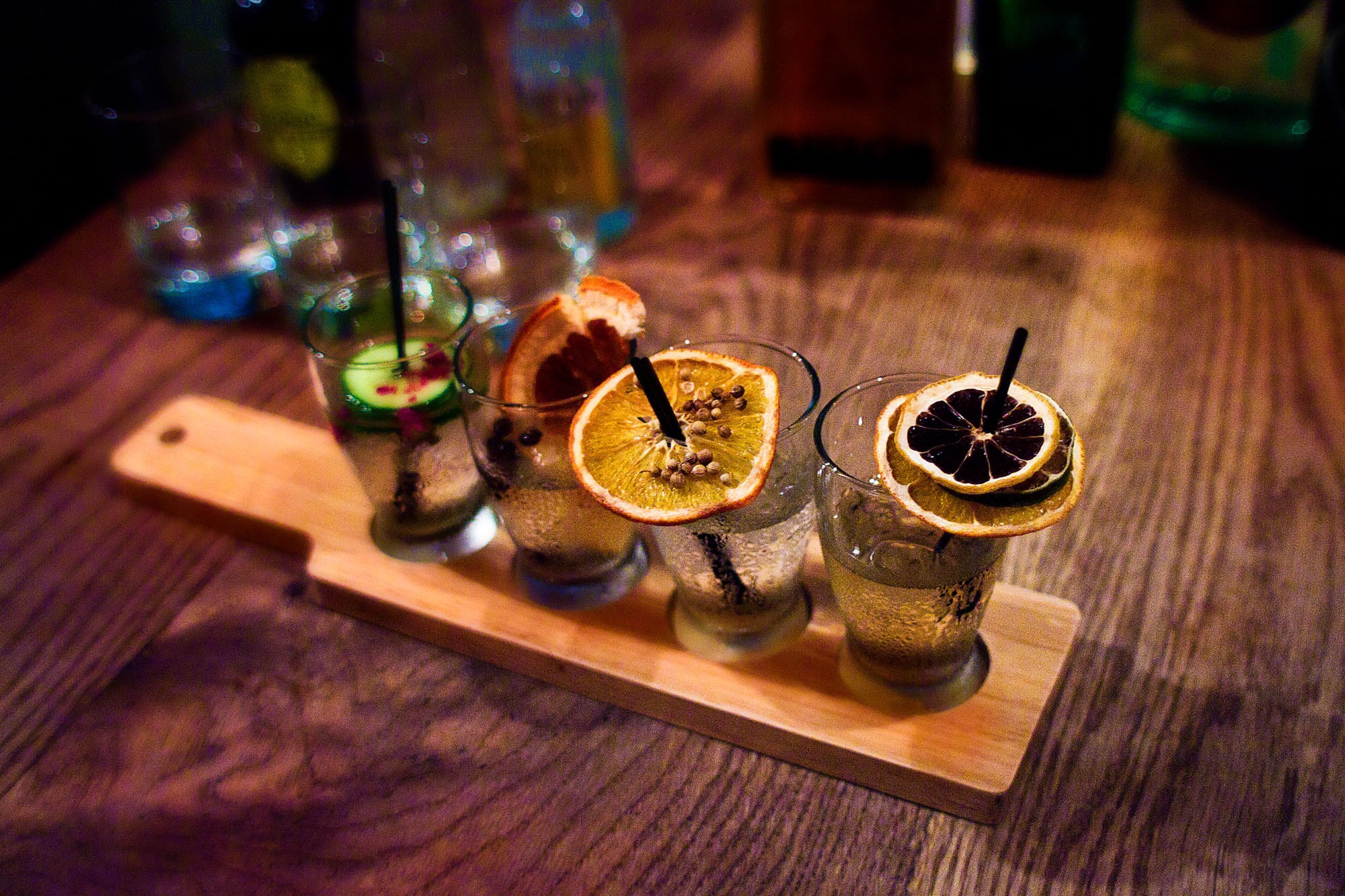
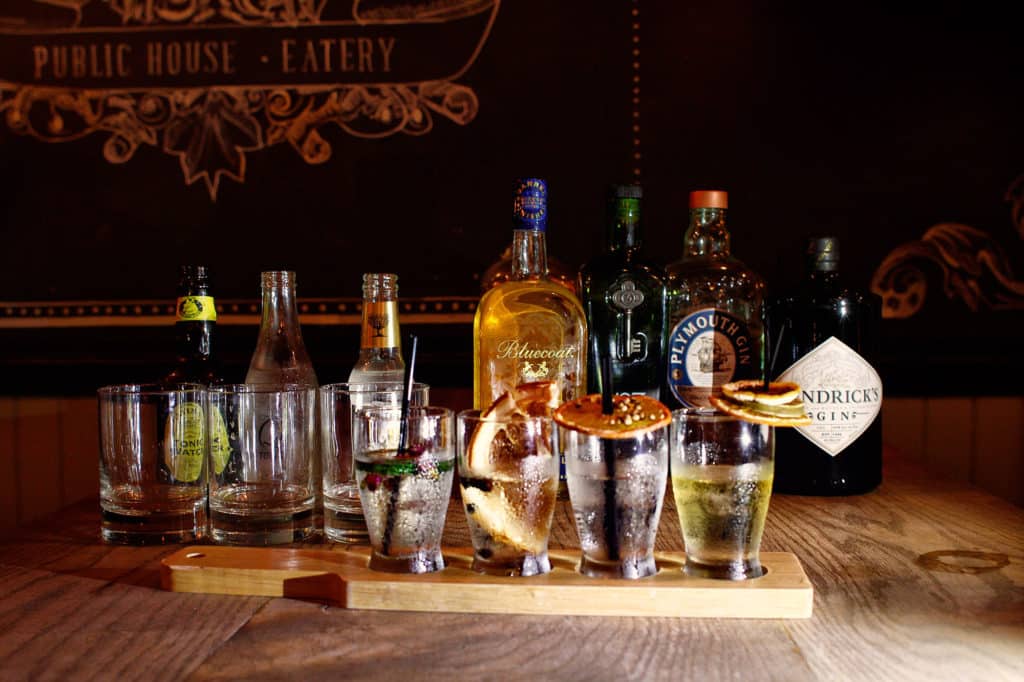
A good gin bar is never just about what is in the glass. The best ones understand that gin is one of the most food-friendly spirits behind the bar, sometimes even more flexible than wine when the kitchen knows what it is doing. That surprises people who still think of gin as a sharp, juniper-heavy drink meant only for a cold martini before dinner. Spend enough time in a serious gin bar, though, and a different picture emerges. Citrus peels, coriander seed, angelica root, cardamom, pepper, herbs, florals, cucumber, tea notes, sea minerals, orchard fruit, even savory olive and saline edges, all of those can appear in a single evening’s lineup.
That complexity is exactly why food pairing matters. Gin can brighten fried food, pull sweetness out of shellfish, make herbs taste fresher, and clean the palate between richer bites. It can also clash badly when a dish is too sugary, too aggressively smoky, or buried under heavy cream. The difference between a forgettable bar snack and a pairing you talk about on the way home often comes down to one simple idea: match the dominant botanical profile of the gin, or contrast it with something that gives the spirit room to show shape.
After years of tasting through menus, talking with bartenders, and watching what guests actually reorder, certain patterns keep proving themselves. Some pairings look obvious on paper and fall flat in real life. Others sound modest and absolutely sing. If you want to get more out of your next night at a gin bar, these are the combinations worth seeking out.
Why gin works so well with food
Gin’s structure makes it unusually adaptable. Most styles carry clear aromatics, moderate body, and a dry finish. That dry finish is the key. It refreshes the palate much the way crisp white wine does, but with more aromatic lift. Juniper provides a piney backbone, citrus botanicals bring brightness, and spice notes can either sharpen a dish or soften it depending on what is on the plate.
There is also the matter of dilution and carbonation. A gin and tonic behaves differently with food than a neat pour or a martini. Tonic water adds bitterness and sweetness, which can flatter salty snacks and fried food but can overwhelm very delicate dishes. A dry martini strips the profile back to clarity and precision, making it ideal with oysters or clean seafood. A gin cocktail with herbs, cucumber, or citrus often behaves almost like a composed condiment.
This is why broad advice such as “seafood goes with gin” is only half useful. Fresh oysters with a bracing London dry martini, yes, often perfect. Rich salmon rillettes with a bitter, quinine-heavy G and T, not always. At a well-run gin bar, the details matter more than the category.
Start with the style in the glass
Not every gin tastes the same, and the food should respect that. Traditional London dry gin usually leads with juniper, citrus peel, and spice. It likes assertive, salty, or bright food. New Western styles often turn juniper down and pull florals, cucumber, elderflower, basil, or fruit notes forward. They suit lighter dishes, herbs, and delicate seafood. Navy strength gin can stand up to bolder food because of its higher proof and concentrated flavor. Barrel-rested gin often meets charcuterie and aged cheese better than a crisp tonic serve would.
At a gin bar with a large back shelf, a bartender who asks what you plan to eat is usually a very good sign. They know gin is not one note. If the venue lists tonic options, garnishes, or house infusions, treat those as part of the pairing, not decoration. A slice of grapefruit, a sprig of rosemary, cracked pepper, or a cucumber ribbon can shift the drink enough to change what works on the plate.
Oysters and chilled shellfish, still one of the smartest orders in the room
If there is one pairing that rarely disappoints, it is chilled shellfish with a dry, cold gin serve. Oysters, clams, dressed crab, shrimp cocktail, and simple ceviche all respond beautifully to gin’s crisp aromatics. The reason is partly textural. Shellfish often carries salinity and sweetness at the same time. Gin cuts through that sweetness and sharpens the mineral side of the seafood.
A martini is the classic for a reason. It brings cold temperature, clean lines, and just enough vermouth to keep the spirit from feeling harsh. With oysters, especially briny ones, that saline edge creates an almost echoing effect. Add a lemon twist and the pairing tightens even more. If the gin bar leans toward highballs rather than stirred drinks, a lean gin and tonic with restrained garnish can still work, though too much tonic sweetness may blur the delicacy of the shellfish.
One caution from experience: avoid heavily sauced seafood if the drink is very dry and spirit-forward. Thick cocktail sauce, sweet chili glaze, or creamy dressings can make the gin feel hot and angular. When the seafood is simple, chilled, and bright, gin has room to do its best work.
Fried food loves gin more than most people expect
One of the pleasures of a lively gin bar is discovering that sophisticated spirits do not need precious food. Some of the best pairings are gloriously informal. Fried calamari, whitebait, tempura vegetables, fish goujons, croquettes, even well-made fries with aioli can be excellent with gin. The spirit’s dryness and botanical snap cut through oil and reset the palate after each bite.
This is where tonic can be especially useful. Quinine bitterness, a touch of sugar, and bubbles make the whole combination feel energetic. A London dry with a lemon-led tonic alongside fried zucchini or salt cod fritters makes immediate sense. The citrus wakes up the crust, the bitterness reins in richness, and the juniper stops the pairing from tasting one-dimensional.
The garnish matters here. Lime can sharpen things to the point of austerity. Lemon is usually softer and more versatile with fried seafood. Grapefruit can be brilliant with tempura or fried chicken, where a touch of bitterness helps tame savory fat. If a gin bar offers flavored tonics, choose carefully. Elderflower tonic or strongly perfumed aromatics may pull attention away from the food rather than support it.
Cured fish and smoked bites need a lighter hand
Smoked salmon, gravlax, trout pâté, mackerel rillette, and similar dishes often appear on small-plate menus at a gin bar. They can be superb pairings, but only if the drink stays measured. Smoke, oil, salt, and fish are all powerful elements. A heavy-handed gin serve can turn the whole experience medicinal.
With cured or smoked fish, I usually look for either a martini with a restrained olive or lemon twist, or a long drink built around cucumber, dill, or a subtle herb component. The best pairings mirror what would already work on the plate. Dill with salmon is familiar because it belongs there. Cucumber with oily fish freshens the palate. A touch of black pepper in the drink can tie everything together if used carefully.
There is a trade-off, though. Too much cucumber can flatten more deeply flavored smoked fish. Too much olive brine can make delicate gravlax taste muddy. This is one of those moments where less really is more. When both the plate and glass are precise rather than loud, the pairing feels elegant instead of effortful.
Charcuterie, pickles, and the savory side of gin
A lot of people walk into a gin bar and assume the safe order is seafood. In practice, a good savory board can be just as compelling. Dry-cured ham, fennel salami, pâté, cornichons, pickled onions, mustard, olives, and crisp bread all play to gin’s strengths. There is salt, spice, acid, fat, and texture. Gin thrives in that terrain.
Juniper has an affinity with cured meat that is easy to overlook. It has the woodland, resinous quality that makes fennel salami or game terrine feel more vivid. Coriander and citrus notes in gin can lift a fatty slice of coppa or smooth chicken liver pâté. Pickles and mustard pull the drink into focus. It becomes less about sipping a cocktail next to a snack, more about the food and spirit working as a composed set.
A martini with a twist can be excellent here, but this is also where a Gibson deserves respect. The pickled onion in a Gibson is not a gimmick when paired with savory food. It links directly to the board and can make cured meats feel sharper and more structured. If the gin bar serves house pickles or good olives, this is a pairing worth building around.
Cheese, where the style of gin matters more than the type of milk
People often ask whether cheese belongs with gin. The answer is yes, but not in a simplistic way. Pairing gin with cheese is less about “goat with this, blue with that” and more about intensity, salt level, and rind character. Fresh goat cheese with herbs can be lovely with a floral or citrus-led gin. Bloomy cheeses such as Brie can work if the drink stays dry enough to cut through the creaminess. Hard cheeses, particularly nutty alpine styles or aged cheddar, tend to like stronger, more structured gin serves. Blue cheese can be thrilling with the right gin but becomes punishing if both are too forceful.
The most reliable cheese pairing I have had at a gin bar was unexpectedly simple: aged Manchego, Marcona almonds, orange zest, and a classic G and T with a large orange peel. The sweetness in the cheese and nuts found the citrus, while the tonic bitterness kept the whole thing from becoming heavy. On paper it looked almost too easy. In the glass, it was balanced and memorable.
Where this category goes wrong is sweetness. Jam-heavy cheese boards can clash with dry gin, making the spirit seem austere. If the board leans sweet, look for fresh fruit, quince paste used sparingly, or a cocktail with enough roundness to meet it halfway.
Herbs, green notes, and dishes that feel garden-fresh
Gin naturally likes green flavors. Basil, mint, dill, parsley, tarragon, chives, fennel fronds, cucumber, celery, pea shoots, all of them can connect with the right bottle. This is why dishes that seem almost too light for cocktails often shine in a gin bar setting. Pea crostini with mint, cucumber salad with yogurt and dill, asparagus tartlets, or a simple burrata with herbs can all pair better with gin than many heavier menu items.
When the food is this fresh, match the botanicals rather than the strength. A floral gin with edible flower notes can flatter a dish with basil and citrus, but it may vanish against salty cured meat. Likewise, a muscular juniper-forward gin may bulldoze a delicate pea purée. The pleasure here is in precision. The drink should feel like an aromatic extension of the plate.
This is also the moment to trust bartenders who suggest unusual garnishes. A cracked coriander seed garnish, a basil leaf slapped once to release aroma, or a thin celery ribbon can shift a gin cocktail from merely pleasant to deeply aligned with the food.
Spiced food, proceed with judgment
People regularly assume gin cannot handle spice. That is not quite true. It can work Gin Bar beautifully with dishes that use spice aromatically rather than just for heat. Coriander, cumin, cardamom, fennel seed, turmeric, ginger, and green chili all have pathways into gin’s botanical profile. Small plates such as spiced nuts, pakoras, coriander-laced kebabs, or gently curried seafood can pair very well.
The risk is alcohol heat. If the dish is aggressively hot, high-proof gin can amplify the burn. In that case, a longer drink with plenty of ice, measured tonic, and perhaps citrus is usually smarter than a martini. Freshness matters too. Mint chutney, yogurt, cucumber, or herb dressings can create the cooling bridge that lets gin stay present without becoming punishing.
A memorable pairing I once had involved coriander-seed crackers, whipped labneh, and lightly spiced grilled prawns with a gin highball built around lemon and a touch of thyme. Nothing on the plate was especially loud, but every element supported the next. That is usually the winning formula with spice and gin, fragrance over force.
The small snacks that quietly outperform expensive plates
Some of the most effective food pairings at a gin bar are the least flashy. Salted almonds, citrus-marinated olives, crisps with good dip, pickled vegetables, seeded crackers, and a carefully made deviled egg can be exactly right. These foods do not ask the gin to compete with sauces, smoke, or sweetness. They let the botanicals stay legible.
Here are five bar snacks that consistently punch above their weight with gin:
- Marinated olives with orange peel and fennel seed
- Salted almonds or smoked almonds in small portions
- Deviled eggs with chives or a touch of mustard
- Crisp potato chips with cultured cream or aioli
- Cornichons and pickled onions alongside cured ham
What ties these together is contrast. Salt and acid wake the spirit up. Fat gives it something to cut through. Crunch helps the rhythm of the meal. These are not backup options when the kitchen is limited. At a smart gin bar, they are often among the best choices you can make.
Desserts are possible, but the target is narrow
Dessert is the trickiest territory. Gin is dry and aromatic. Most desserts are sweet and often creamy. Put them together carelessly and one or both will seem out of place. Still, a narrow band of desserts can work extremely well, especially those built around citrus, herbs, or restrained fruit.
Lemon tart is one of the better candidates, particularly with a gin that has strong citrus peel notes. Poached pears with herbs can work if the sweetness is kept in check. A semifreddo flavored with basil or thyme may also find harmony. Dark chocolate is harder. It tends to smother gin unless the drink brings enough spice or barrel character to answer back. Very sweet pastries usually flatten the spirit completely.
If you want the evening to end well at a gin bar, it is often smarter to shift from a classic dry serve to a more rounded cocktail with herbal or fruit elements. Not sugary, just softer at the edges. That keeps the pairing coherent without forcing gin into a role it does not naturally want.
How to order like someone who knows what they are doing
You do not need to know every distillery or botanical bill to get a strong pairing. You just need to notice a few things and communicate them clearly. Start with the food. Ask yourself whether the dish is delicate or rich, salty or sweet, fresh or smoky. Then let the bartender place the gin around that profile.
A few practical cues help:
- For shellfish and very clean seafood, lean toward martinis or very dry, simple serves.
- For fried food and salty snacks, a classic gin and tonic is often the safest and happiest choice.
- For herbs, salads, and light vegetable dishes, ask for a gin with floral, cucumber, or citrus lift.
- For charcuterie and stronger savory plates, consider juniper-forward or even barrel-rested gin.
- For spicy dishes, lengthen the drink and lower the intensity rather than ordering the strongest pour.
The point is not to recite rules. It is to understand direction. At a quality gin bar, bartenders usually welcome this conversation because it leads to better drinks and happier guests.
Common pairing mistakes worth avoiding
Most disappointments come from a handful of predictable errors. The first is pairing dry gin with very sweet food. The second is choosing a heavily garnished or flavored gin cocktail that fights the dish for attention. The third is assuming tonic is neutral. It is not. Tonic has bitterness, sweetness, and a flavor signature of its own. Sometimes that is exactly what a plate needs. Sometimes it is the reason the pairing misses.
Temperature also matters more than people think. Ice-cold drinks sharpen perception. That can be brilliant with oysters and fried food, but it may make subtler cheeses or pâté seem mute. Likewise, over-dilution can blur the botanicals that were supposed to connect Gin Bar with the dish in the first place.
Then there is portion size. Gin pairing works best in a grazing format, small plates, half portions, or dishes designed for sharing. A huge main course can overwhelm the spirit or make the drinking pace awkward. The natural home of a gin bar is the sequence of several smaller bites, each with a slightly different angle in the glass.
The pairings that leave a lasting impression
The most satisfying nights at a gin bar usually do not come from ordering the most expensive gin or the most complicated plate. They come from a sense of alignment. A cold martini and oysters. A bright G and T with crispy seafood. A savory board and a Gibson. Fresh herbs on the plate echoed by herbs in the glass. Those combinations feel effortless, which is often the best sign that thought has gone into them.
Gin rewards attention. It notices salt, citrus, spice, bitterness, and texture. It can behave with fine seafood and still hold its own beside fried snacks and charcuterie. Few spirits move that comfortably across a menu. That is what makes a well-curated gin bar so enjoyable for people who care about food. The drinks are not just accompaniments. They are part of the seasoning, part of the architecture of the meal, and sometimes the reason an ordinary plate tastes sharper, cleaner, and more alive.
If you are choosing just one principle to remember, make it this: pair gin with food that leaves room for aroma. When the dish is balanced, when the garnish is intentional, and when the style of gin matches the mood of the plate, the result is one of the most versatile and rewarding experiences a bar can offer.
The Winslow
243 E 14th St
New York, NY 10003, United States
Phone: +1 212-777-7717
FAQ About Gin Bar
How to do a gin tasting?
Start with a small pour and gently smell the gin before taking a small sip. Notice its juniper, citrus, floral or spice notes, then compare how the flavor changes with a little water or tonic. At a gin bar, ask the bartender to explain the selection and botanical pairings.
How to make the best tasting gin and tonic?
Use chilled gin, fresh tonic and plenty of ice. A common starting ratio is one part gin to two parts tonic, adjusted to taste. Choose a garnish that complements the gin's botanicals and stir gently to preserve the bubbles.
What is the smoothest tasting gin?
There is no single smoothest gin for everyone. Perceived smoothness depends on the botanical recipe, alcohol strength, serving temperature and mixer. Describe whether you prefer citrus, floral, herbal or juniper-forward flavors so a bartender can suggest a suitable style.
Corrections
Spot something wrong? Send it to the desk and it gets fixed in the open.